How Australian Companies Can Bid for UK Public Sector Contracts

Need Help with Your Bid?
Get in touch by filling out the form and one of our advisors will be in contact.
Contact UsAustralian businesses with experience selling to Commonwealth, state or local government may find many aspects of UK public procurement familiar. Both markets use formal competitive processes, published requirements and evidence-based evaluation to decide which suppliers receive public contracts.
The practical differences become more important when an opportunity moves from initial interest to a live bid. Australian suppliers need to understand where UK opportunities are advertised, how their existing government experience can be used, and whether a contract can genuinely be delivered when customers, staff and supply chains may be thousands of miles apart.
Can Australian Companies Bid for UK Contracts?
Yes. Australian suppliers can compete for many UK government and wider public sector contracts. The UK-Australia Free Trade Agreement entered into force on 31 May 2023 and includes a dedicated government procurement chapter. Its provisions are designed to ensure that covered government procurement opportunities in both countries are transparent and non-discriminatory.
Australian suppliers may also qualify as treaty-state suppliers under the Procurement Act 2023 where an applicable international agreement covers the particular procurement. Current UK government guidance on treaty-state suppliers explains that qualifying suppliers receive non-discrimination protections and access to remedies for procurements covered by the relevant agreement.
Being an Australian business does not mean every UK contract is automatically covered by the same international commitments. The contracting authority, type of procurement and goods, services or works involved can affect the position.
Likewise, market access does not remove the need to satisfy the individual tender requirements. You also do not universally need to incorporate a British company simply to participate. Our guide to whether international businesses need a UK company to bid looks at that question in more detail.

What Does the UK-Australia FTA Mean?
The UK-Australia FTA provides an established basis for businesses in both countries to access covered public procurement opportunities. For an Australian supplier, however, the treaty should be viewed as a foundation for market access rather than a shortcut through the tender process.
You still need to check:
- whether the opportunity is suitable for your organisation
- the buyer's conditions of participation
- required qualifications and standards
- how the tender will be evaluated
- whether your proposed delivery model satisfies the contract
- any UK-specific regulatory requirements
The FTA does not mean a UK authority has to select an Australian supplier. It means covered procurement should provide the relevant access and treatment set out under the agreement. Once you decide to pursue an opportunity, the competitive work begins.
Find UK Opportunities
Australian companies accustomed to government contracting may already be familiar with AusTender. This is the Australian Government's procurement information system, providing central publication of Commonwealth business opportunities, annual procurement plans and awarded contracts.
In the UK, Find a Tender should become another important platform in your opportunity-search process. Under the Procurement Act 2023, the enhanced Find a Tender service acts as the Central Digital Platform. It is where regulated public procurement notices are published, while suppliers can also register, maintain core information, search for opportunities and create notifications. Our guide to how international suppliers can register on Find a Tender covers the process in more detail.
Don't assume, however, that Find a Tender and AusTender work identically simply because they serve comparable purposes.
UK contracting authorities can also use separate e-sourcing portals to provide tender documents, manage clarification questions and receive submissions. Create any necessary accounts before the submission deadline rather than discovering an access problem while trying to upload your tender.

Do You Need a UK Company?
An Australian company does not generally need to establish a British subsidiary simply because it wants to submit a UK public sector bid. The more useful question is what structure you would need if you won. A contract could require or commercially justify:
- UK-based employees
- local premises
- professional registrations
- particular insurance arrangements
- a local bank or tax structure
- British subcontractors
- warehousing or stock
- regular on-site support
Your existing Australian entity may remain perfectly suitable for some contracts. For others, repeated travel from Sydney, Melbourne, Brisbane or Perth would make little operational sense when the buyer expects frequent site attendance or rapid in-person support. Separate eligibility to bid from readiness to deliver.
Can Australian Experience Count?
Strong Australian public sector experience can be highly relevant to a UK tender. Previous work might have been delivered for:
- Commonwealth departments or agencies
- state or territory governments
- local authorities
- public healthcare organisations
- universities
- transport or infrastructure bodies
Do not automatically replace a strong Australian case study with a weaker UK example simply because the latter is geographically closer to the buyer. Relevance is more important.
Our article explaining how overseas experience can count in UK tenders looks at selecting and presenting international case studies in more detail. The important thing is to make the comparison explicit. A UK evaluator may not immediately understand the scale or role of an Australian public body. Give them enough context to see why the previous project demonstrates your ability to perform the new contract.

Translate the Procurement Language
Experienced Australian bidders will recognise many of the principles behind UK public procurement. The terminology can nevertheless differ.
An Australian supplier might routinely encounter concepts such as:
- approaches to market
- panels
- standing offers
- Commonwealth Procurement Rules
- value for money
A current UK procurement might instead refer to:
- tender notices
- conditions of participation
- frameworks
- open frameworks
- dynamic markets
- most advantageous tenders
- social value
Two terms with similar purposes aren't necessarily legally or procedurally identical. Work from the definitions, instructions and evaluation methodology in the UK tender rather than trying to translate everything into the closest Australian equivalent.
This is especially important when deciding whether a framework opportunity represents immediate revenue or simply creates access to future contracts.
Build a UK Delivery Model
For many Australian suppliers, the biggest question is not eligibility. It is distance. A UK buyer will want confidence that your organisation can deliver the promised service regardless of where your headquarters are located. Map the delivery model before writing the tender.
Decide what stays in Australia
Some specialist functions may operate perfectly well from an existing Australian team. Technical development, analysis, design or other remote activities might not need to move simply because the customer is British.
Decide what needs to be local
Account management, site support, logistics, installation or regulated professional activity may work better with people based in the UK. The tender requirements should drive that decision.
Think about time zones
Time differences can create both problems and opportunities.
An Australian service team might provide useful overnight coverage as part of a follow-the-sun support model. Conversely, a contract requiring extensive live collaboration during UK business hours could place considerable pressure on an Australia-only team.
Don't leave the evaluator wondering how customer contact will work. Explain the arrangement.
Plan travel realistically
If Australian specialists must visit the UK frequently, consider both cost and practicality. A tender promising monthly attendance by senior personnel based permanently in Australia may look impressive until the operational implications are examined. A combination of local resources and planned specialist visits could be more credible.
Consider Goods and Logistics
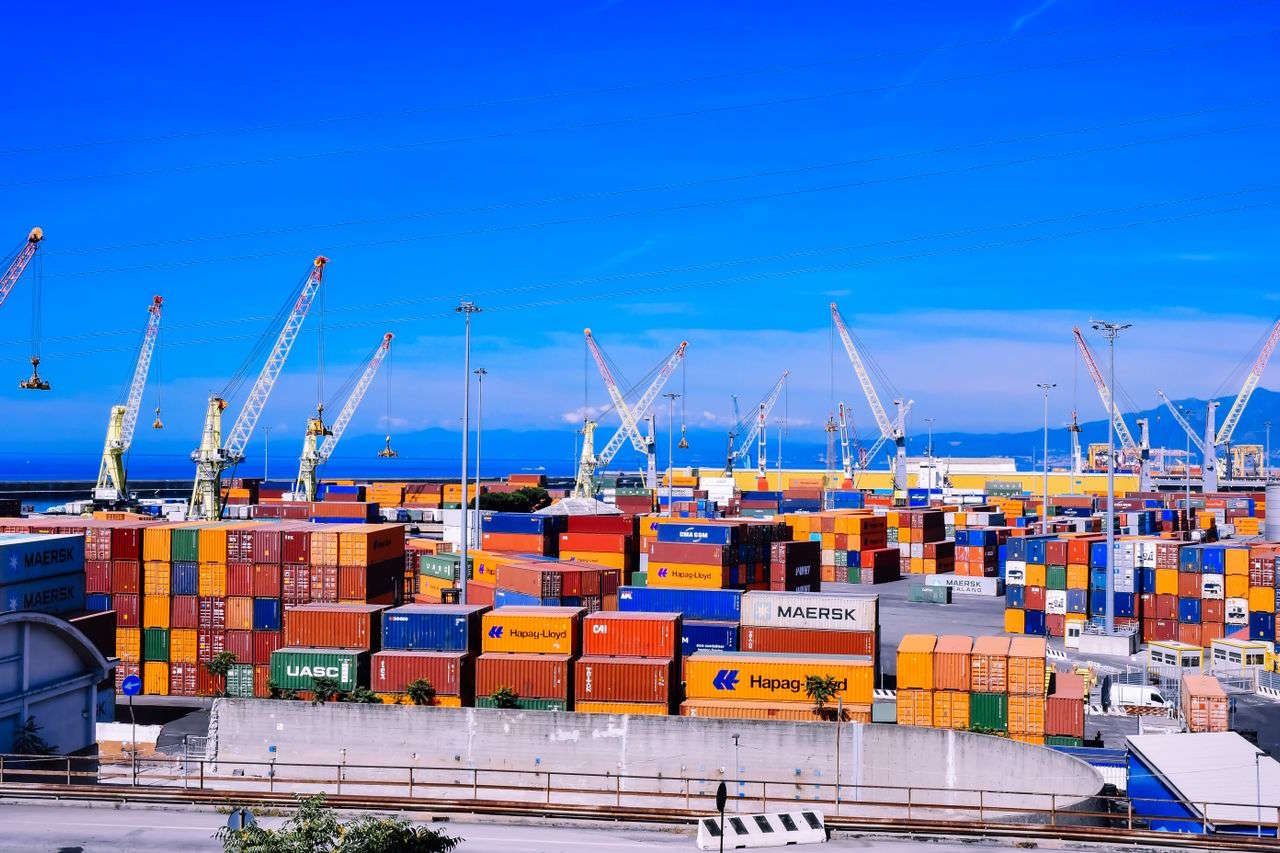
Distance becomes even more important where the contract involves physical products. An Australian manufacturer or equipment supplier may be able to offer an excellent product and competitive purchase price, but a UK buyer can also care about what happens after delivery.
Questions may include:
- Where will stock be held?
- How quickly can replacements arrive?
- Who will perform servicing or repairs?
- Are spare parts available in Britain?
- What happens if international freight is delayed?
- How will warranty support operate?
- Does the buyer require emergency replacement equipment?
For some contracts, holding UK stock or working with a local logistics partner may be worthwhile. For others, longer delivery lead times might be entirely acceptable. The important point is to understand the service requirement rather than focusing solely on transporting the initial product from Australia to Britain.
Plan Social Value Early
Australian suppliers may already have substantial sustainability, community, skills or Indigenous procurement programmes. Those initiatives can provide strong organisational evidence. However, they do not automatically constitute a UK social value offer.
A UK public sector tender may ask how the specific contract will create relevant benefits through areas such as employment, workforce skills, apprenticeships or training. Our guide to social value in UK tenders explains how international suppliers can approach those commitments.
Use successful Australian initiatives as evidence of your ability to deliver programmes where appropriate, but develop the actual commitment around the UK contract. This also needs to align with the operating model. If your tender promises UK employment and training, those activities should appear in your mobilisation plans and pricing.

Price the UK Contract
Converting an Australian price into pounds is not enough to produce a sustainable UK tender price. Your cost model might include:
- Australian delivery staff
- UK employees or contractors
- international travel
- accommodation
- freight
- warehousing
- local partners
- insurance
- compliance
- mobilisation
- social value commitments
AUD/GBP exchange exposure is another factor. If the customer pays a fixed GBP contract price while a large proportion of your costs continue to arise in Australian dollars, currency movements can change the eventual margin. Our guide to pricing a UK public sector tender covers currency risk, VAT, inflation and long-term pricing in more detail.
For Australian suppliers, pay particular attention to travel and logistics assumptions. If the quality response promises regular UK visits, specialist support from Australia or rapid replacement of physical products, check that those commitments are actually funded. The financial model and technical response need to describe the same contract.
Choose the Right Opportunities
Opening a new market can make every suitable-looking contract feel valuable. Be selective. Before committing your bid team, ask:
Are we eligible?
Check mandatory conditions and market-access requirements.
Can we prove our experience?
Make sure you have comparable Australian or international evidence.
Can we deliver it?
Test the UK staffing, time-zone, travel and logistics model.
Can we price it competitively?
Account for the true costs of international delivery.
Why might we win?
Identify what genuinely differentiates your organisation from established UK competitors.
A large framework value should not be enough on its own to justify a bid. Understand the route to actual contracts and revenue. If the opportunity passes those tests, the fact that your headquarters happen to be in Australia should not prevent you from presenting a credible UK proposition.
Common Mistakes to Avoid
Australian suppliers can make their UK market entry considerably easier by avoiding a few common assumptions.
Assuming FTA access means every procurement is covered.
Check the individual opportunity and relevant agreement.
Treating Find a Tender exactly like AusTender.
Learn the UK notice system and expect individual e-sourcing portals as well.
Under-explaining Australian government experience.
Give the UK evaluator enough context to understand its scale and relevance.
Ignoring time-zone implications.
Explain clearly how customers will receive support during the hours they require it.
Underestimating travel and freight.
Distance needs to be reflected in both delivery planning and price.
Transplanting Australian social programmes unchanged.
Build social value commitments around the UK contract.
Ignoring AUD/GBP exposure.
Understand the currency mix behind your price.
Frequently Asked Questions
Can Australian Companies Bid for UK Government Contracts?
Yes. Australian suppliers can compete for many UK government and wider public sector opportunities. The UK-Australia FTA provides government procurement commitments covering relevant opportunities, while the exact position depends on the procurement and applicable international arrangements.
Does the UK-Australia FTA Cover Every Government Contract?
No. Coverage depends on factors including the contracting authority and what is being procured. Suppliers should review the specific tender rather than assume every opportunity falls within the same treaty arrangements.
Does an Australian Company Need a UK Subsidiary?
Not as a universal requirement for bidding. A UK company or other local presence may nevertheless make commercial or operational sense where delivery requires employees, premises, regulated activities, stock or frequent in-person support.
Can Australian Government Contracts Be Used as UK Tender Case Studies?
Yes, where they satisfy the tender requirements and provide relevant evidence of your capability. Focus on comparable scope, scale, complexity and outcomes. Explain Australian public-sector context where it may not be obvious to a UK evaluator.
Bid for UK Contracts With RFPVerse
Australian businesses with a strong public sector track record don't need to reinvent their capabilities to compete in Britain. They do need to translate those capabilities into the UK procurement environment.
Understand how Find a Tender works, make Australian experience easy to evaluate, address the realities of distance and time zones, and develop a delivery model that works commercially as well as technically.
The strongest UK opportunities will be those where your existing expertise transfers naturally and the additional requirements of international delivery can be solved without undermining the proposition.
RFPVerse helps international suppliers identify relevant UK public sector opportunities, understand unfamiliar tender requirements and prepare stronger submissions.
If your Australian business is considering entering the UK public sector market, speak to RFPVerse about finding appropriate opportunities and turning your existing government experience into a credible UK bid.
Ready to start your search?
Get in touch by filling out the form to the right and one of our advisors will curate a personalised selection for you.
Get in touchBlogs. Guides. Helpful advice.
How Australian Companies Can Bid for UK Public Sector Contracts
What Documents Do International Suppliers Need Before Bidding for UK Public Sector Contracts?